
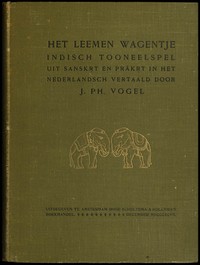
Het leemen wagentje: Indisch tooneelspel uit Sanskṛt en Prākṛt in het…
So, you pick up a play from ancient India, and you might expect something solemn or deeply religious. 'The Little Clay Cart' is the opposite. It’s a bustling, vibrant story that feels like it could be set in any lively city, just a few centuries back.
The Story
The heart of the play is Chārudatta, a kind-hearted merchant who has lost his fortune but not his good name. He crosses paths with Vasantasenā, a clever and independent courtesan who is pursued by the obnoxious and powerful brother of the king. When Vasantasenā seeks refuge from this unwanted attention in Chārudatta's house, a connection sparks between them. She secretly leaves her expensive jewelry in his home as a token.
Here’s where the farce kicks in. A thief steals the jewels, and they end up in the hands of a gambler. Meanwhile, the king's brother, still obsessed, accidentally strangles Vasantasenā in a garden, thinking she's someone else, and frames Chārudatta for the murder. The rest of the play is a race against time, full of disguises, courtroom antics, and the efforts of Chārudatta's loyal friend and a quick-witted gambler to uncover the truth and save an innocent man from execution.
Why You Should Read It
What blew me away was how human it all feels. Chārudatta isn't a perfect hero; he's broke and a bit melancholy, but his integrity is unshakeable. Vasantasenā is no passive love interest—she’s bold, resourceful, and drives much of the action. The supporting cast, from the loyal friend Maitreya to the rogue-with-a-heart-of-gold gambler Śarvilaka, are full of personality. The play doesn't just make you think about love or justice; it makes you laugh. The humor in the servants' banter and the social satire is timeless.
Final Verdict
This book is perfect for anyone curious about classic world literature but intimidated by heavy epics. It’s for readers who love a good, plot-driven comedy with memorable characters. If you enjoy Shakespeare's comedies of errors or just a clever story where the good guys (eventually) win, you’ll find a friend in this little clay cart. It’s a joyful reminder that great storytelling—and the desire for a good laugh and a happy ending—is truly universal.
Legal analysis indicates this work is in the public domain. Enjoy reading and sharing without restrictions.
Sarah Thompson
5 months agoThe digital index is well-organized, making research much faster.






William Rodriguez
4 weeks agoFinally found a version that is easy on the eyes.